-
Follow Tina Turbin on:

-
-
-
-
-
-
-
-
Education
Creating a Memorable Main Character in Your Children’s Book
As a children’s author, I’m often pleased to find that I’ve inspired children and adults to write children’s stories of their own. A question they wonder is what exactly makes a good children’s book. It’s important that a children’s book have a charming protagonist with whom readers can identify. It seems that children tend to literally identify with characters they love; in their imagination and games, they often pretend they are indeed the beloved protagonists of their favorite movies, TV shows, and books.
Read more on Creating a Memorable Main Character in Your Children’s Book…
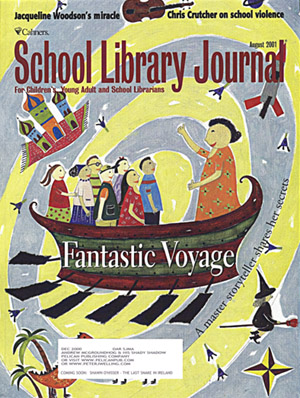
School Library Journal is Raving about Danny the Dragon!
The renowned and distinguished School Library Journal LOVES Danny the Dragon just as much as the kids do.
A terrific review of the Danny the Dragon Meets Jimmy DVD was published in the June 2010 issue. I’m very pleased to share it with you below.
Read more on School Library Journal is Raving about Danny the Dragon!…
Danny the Dragon Meets Jimmy DVD – Featured in Booklist!
I’m really pleased and happy to share a review of my Danny the Dragon Meets Jimmy DVD in the well-known and highly-regarded publication: Booklist.

Read more on Danny the Dragon Meets Jimmy DVD – Featured in Booklist!…
Danny the Dragon Meets Jimmy – LIVE on ABC News 10!
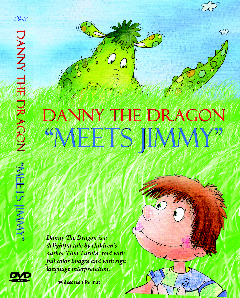 |
My new Danny the Dragon Meets Jimmy DVD (including sign interpretation for the deaf) is quickly becoming quite popular with parents, teachers, librarians and children alike. This is a very unique video.
Sacramento’s “Moms Like Me” and Sacramento’s ABC News 10 talkshow entitled “Sacramento and Company” will feature a television segment about my DVD between the hours of 9 and 10 a.m. Pacific Standard Time, Friday August 16th (for those who are in the Sacramento area, please tune in to your local ABC station to watch the show live). They will air a few DVD clips and are hosting a terrific give-away to 5 lucky winners, to each receive my DVD!
Read more on Danny the Dragon Meets Jimmy – LIVE on ABC News 10!…
Q and A session with a HS in Albany, New York

I am often asked many queston on the radio, in a school, or libarary about the many aspects of writing, the book itself, the characters etc. I decided to share a Q and A emailed to me which I had with a HS in Alabany. My answers are after the numbered questions short and sweet but I share my sincere opinion as an Artist and Author to everyone below these questions-especially aspiring writers.
Children Need Good Literature
The fact that kids need good literature is not a new one. Just look at the number of awards available in the United States alone to reward authors for superb children’s literature. The long list of such awards includes the Newbery Medal, Caldecott Medal, Coretta Scott King Award, and Laura Ingalls Wilder Medal. With such an extraordinary effort made to celebrate good children’s literature, there must be something important about it.
Helpful Tips to Encourage Learning in Your Children
First of all, read to your children! Studies show that reading to your child can begin before the age of six months, as soon as they’re able to enjoy the images and pictures inside of their books. Children have varying attention spans and you should keep in mind not to push too far past these limits and not to force them to read, as children tend to dislike things they are forced to do when it’s not on their own determinism. You can read to your child or have them read you, or take turns.
Read more on Helpful Tips to Encourage Learning in Your Children…
Getting Involved in Your Child’s Education
First, make sure your child is well-rested and well-fed. A well-balanced diet, with nutritious meals at breakfast, lunch, and dinner, and healthy snacks after school, has been shown to improve academic performance in children. Kids also need to be well-rested in order to focus during the day.
Is Your Child Struggling with His Homework? Tips on How to Help
If your child is clearly upset or unable to figure things out, or if his teacher isn’t giving him the help he needs during the school day, you should step in and work out the child’s misunderstandings. The idea is to keep your child winning. Academic confusions can build up over time so that kids may eventually take a loss on studies. You will help to create independent learners by making sure they understand the basics of arithmetic, reading, grammar, etc. so that as they progress in school, they’ll be able to grasp new lessons and apply what they learn effectively.
Read more on Is Your Child Struggling with His Homework? Tips on How to Help…
Homework Help Advice to Parents
First of all, consistency is key. Except for when extracurricular activities interfere, your child should aim to do his homework at the same time every day as part of his daily afterschool routine. You can test to see when the best time is for homework. Make sure your child has eaten a healthy, high-protein snack before he begins his homework, and studies have shown that many children perform work better after physical exercise, which can increase a child’s concentration.